
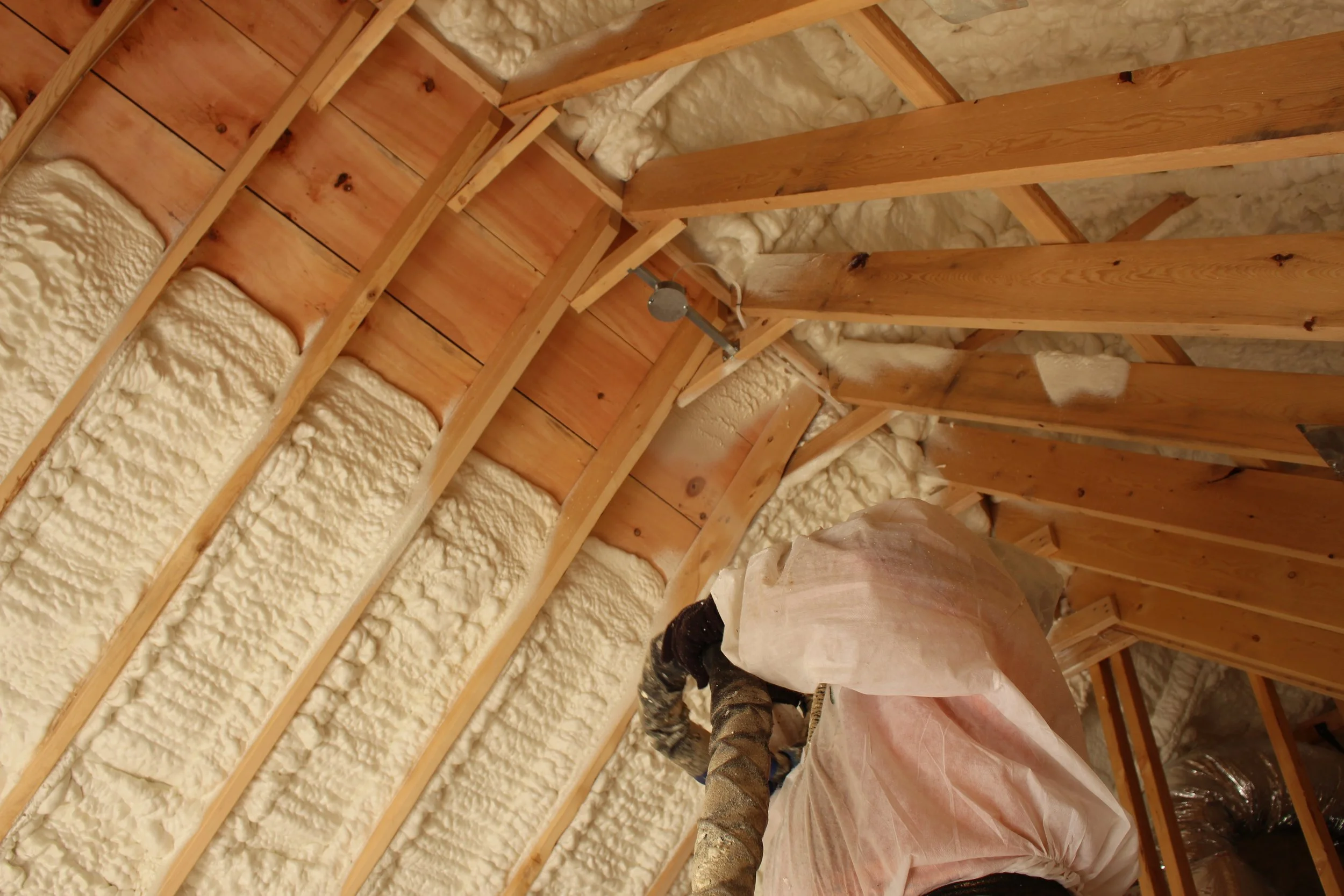
Spray Foam Insulation
ABOUT
Spray Foam Insulation
Spray foam is the most efficient form of insulation. When properly installed, it fully seals the building envelope, boosting the structure’s overall energy performance. Spray foam also blocks air and moisture infiltration, reduces sound transmission, and can deter pests. It’s suitable for residential, commercial, and industrial uses and adheres to a wide range of construction materials, including wood, steel, masonry, and concrete. Polyurethane spray foam has a high thermal resistance—typically about R-7 to R-8 per inch—so it delivers greater insulation value with less thickness than other materials. By contrast, standard fiberglass insulation offers roughly R-2 per inch.
Spray Foam Insulation Options
Once you've chosen spray foam for improved energy efficiency, the next decision is whether to use open-cell or closed-cell spray foam. Although both are applied the same way and provide excellent air sealing, they differ significantly in cell structure. Closed-cell spray foam is dense and rigid—similar to a spray-on truck bed liner—while open-cell foam is lighter and more sponge-like.
Insulate attics, walls, and crawlspaces to maximize energy savings
Spray foam can be applied to walls, ceilings, floors, crawlspaces and attics to cut energy waste and lower heating and cooling expenses. As an effective air‑barrier insulation, spray foam helps create a healthier, quieter and more energy‑efficient living environment for your household. Our certified installers make sure the foam is applied correctly, using a top-quality brand and professional installation practices.
Where spray foam is used
Spray foam works in both new construction and existing buildings, including homes, shops and nonstandard designs. It bonds to wood and steel framing and performs well in any climate. Because the material expands after application, it seals small gaps and voids—an important advantage for older houses that settle over time and develop sources of air leakage and heat loss.
Key benefits:
Improved HVAC efficiency
Lower heating and cooling bills
Greater indoor comfort
Effective sound reduction
Protection against ice dams
Cleaner indoor air
Longer service life
Increased resale value
Consider spray foam when you want a durable, versatile insulation solution that reduces energy loss and improves overall home performance.
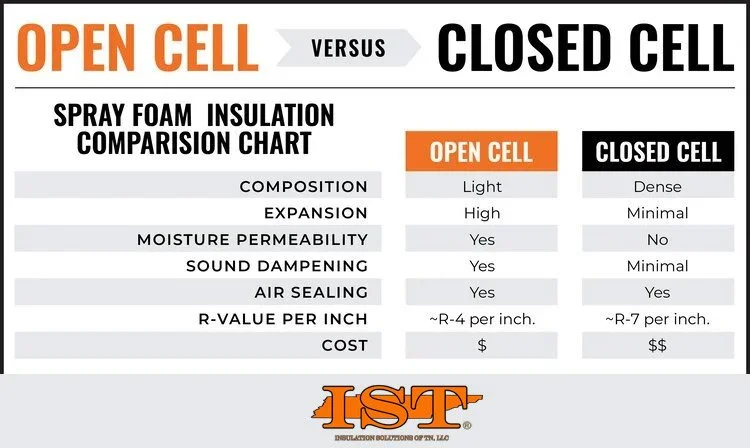
Comparison image displaying open-cell and closed-cell spray foam insulation, showcasing their different characteristics and applications.
Spray Foam Insulation Options
-
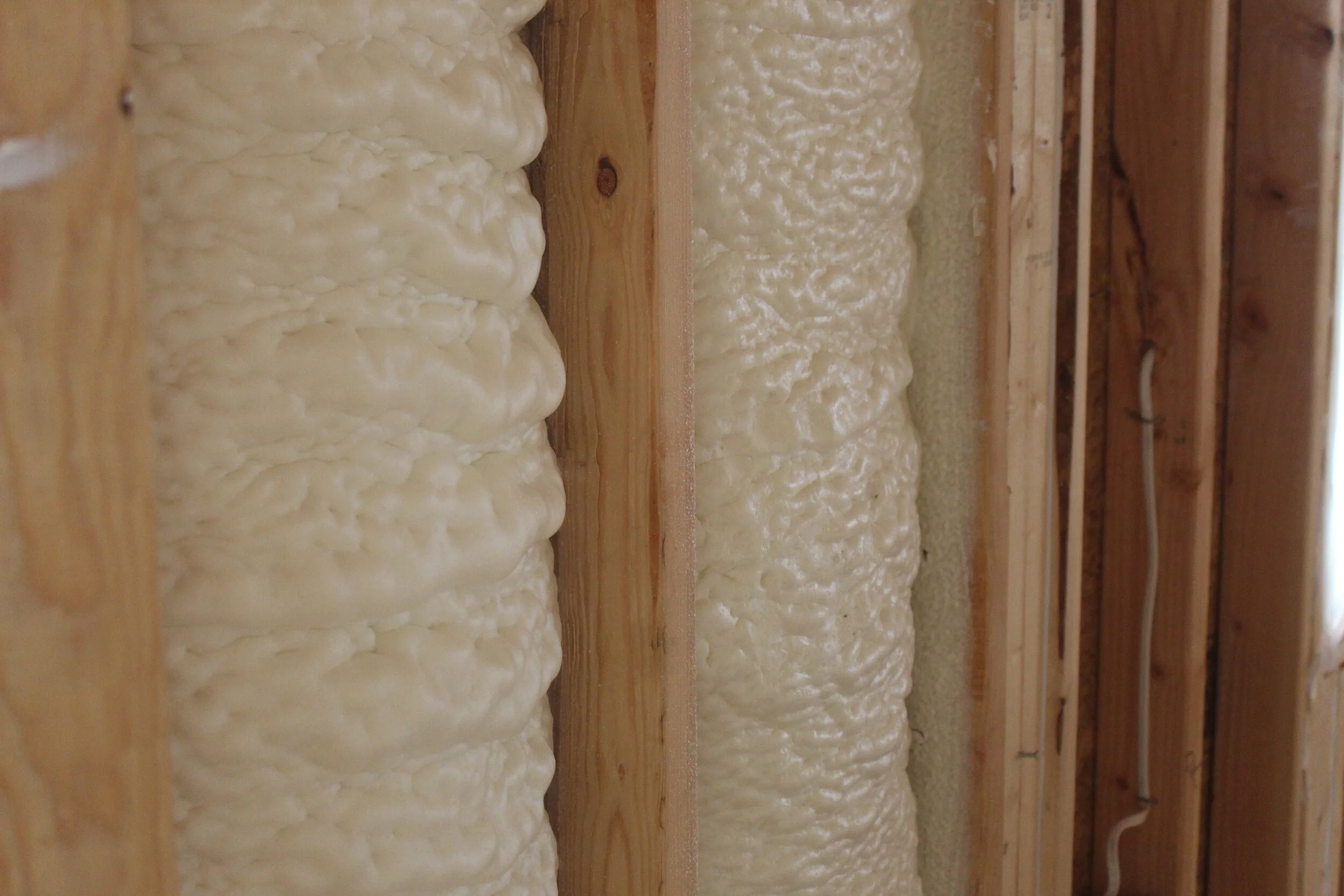
![Photograph of Open Cell Spray Foam Insulation]()
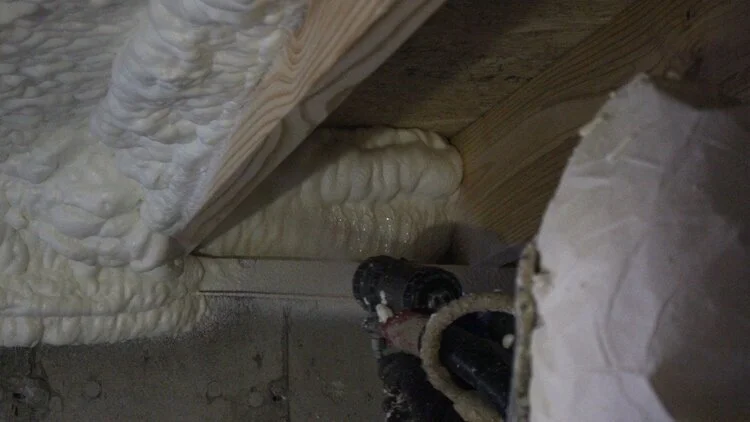
Open Cell Spray Foam Insulation
Open-cell spray foam insulation consists of partially open cells that allow air to occupy the internal spaces. It expands to seal cracks and adapt to uneven surfaces, creating an effective thermal and air barrier. Valued for its noise-reducing properties, this insulation helps boost energy efficiency and enhance indoor comfort in buildings.
-
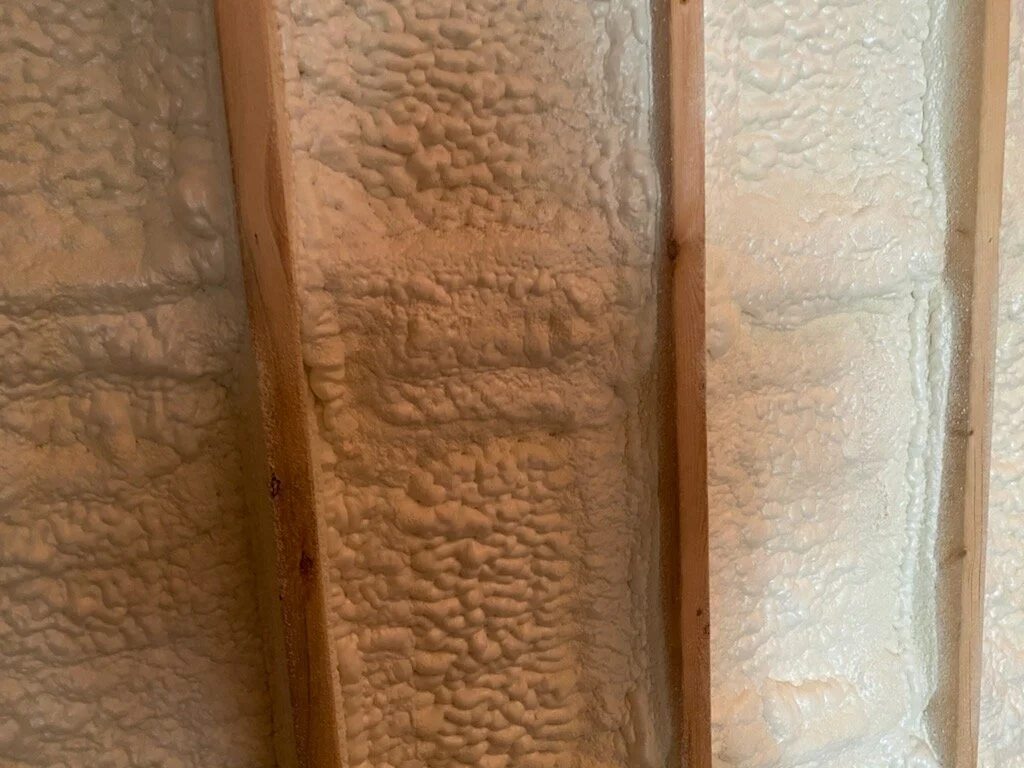
![Photograph of Closed Cell Spray Foam Insulation]()
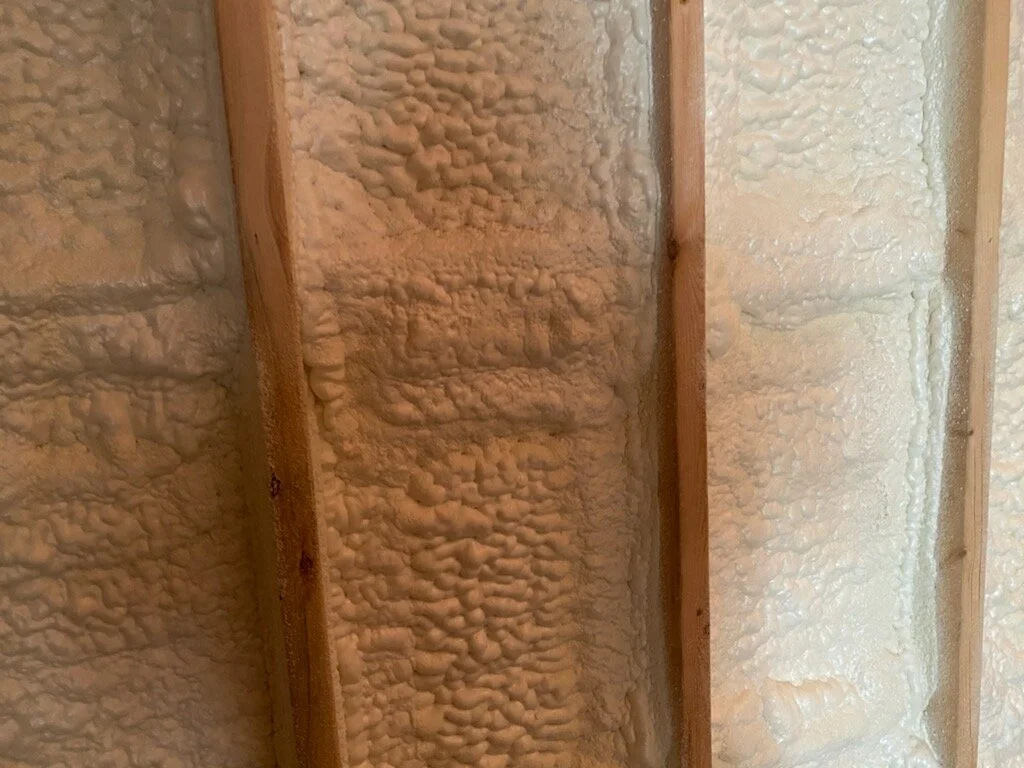
Closed Cell Spray Foam Insulation
Closed-cell spray foam is a dense, rigid insulation composed of tightly packed cells that form a strong barrier against air and water intrusion. It provides high thermal resistance, enhancing energy efficiency and indoor comfort. Its resistance to moisture makes it appropriate for use in damp or humid environments.
Spray Foam Insulation Advantages

Improved Comfort
Because spray foam insulation seals the building envelope, your home has virtually no drafts.

It Lasts
Traditional insulation can lose its effectiveness over time - spray foam performs the same for decades

Improved Indoor Air Quality
Aside from improved comfort from spray foam insulation’s air sealing properties, it also reduces allergen infiltration.

Strengthens the structure
Spray foam essentially glues the structure together, adding strength to the property’s overall structure.

Environmentally Friendly
By allowing you to improve your home’s energy efficiency, spray foam reduces your carbon footprint.

Reduces Sound
Particularly Open Cell spray foam - it does a great job absorbing sound waves providing a quieter home.
Additional Insulation Services
-
![Attic Insulation Installers]()
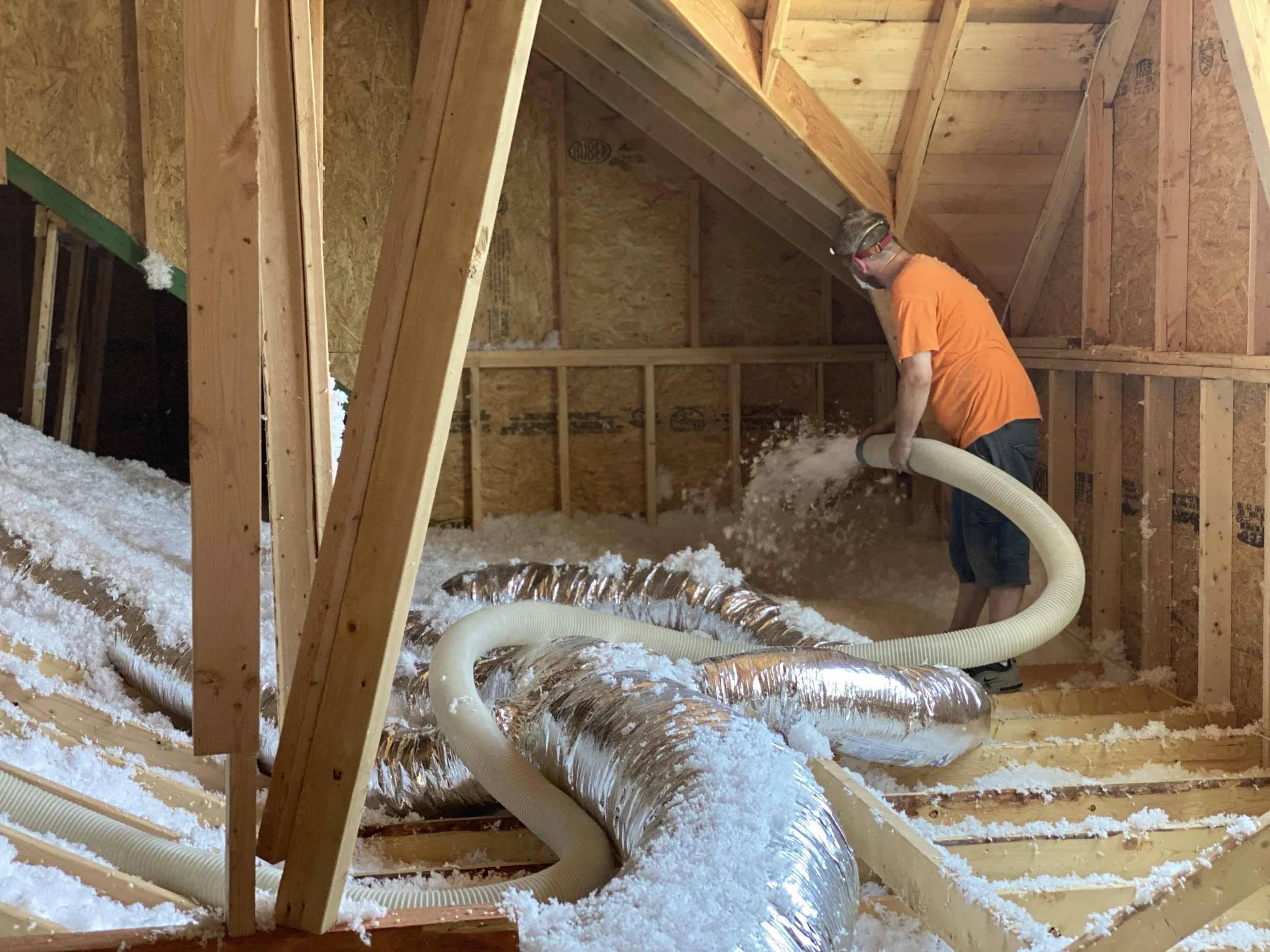
Attic Insulation
Up to 30% of a home's energy loss can be due to an inadequately insulated attic, so ensuring proper attic insulation is essential.
-
![Wall Insulation Installers]()
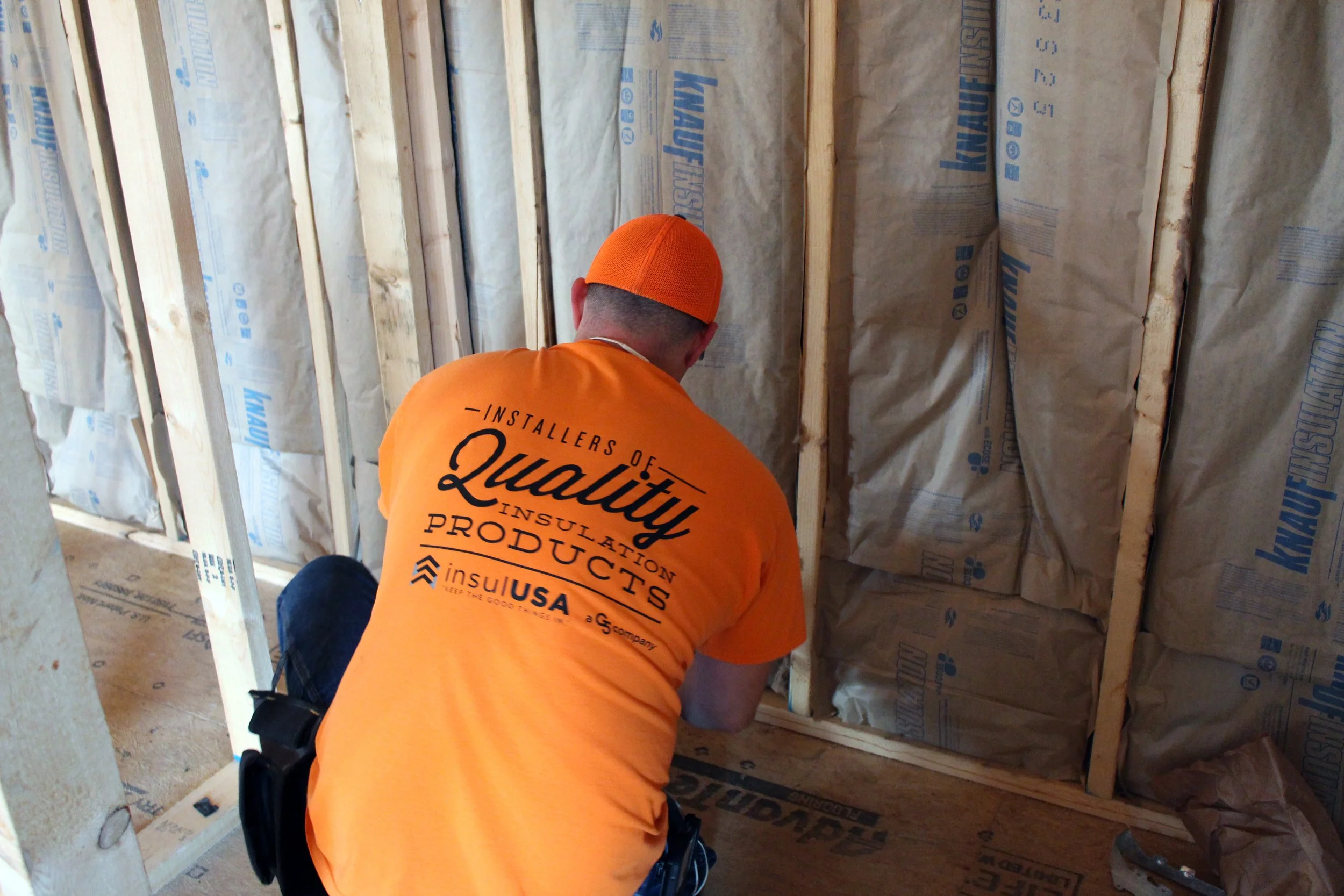
Wall Insulation
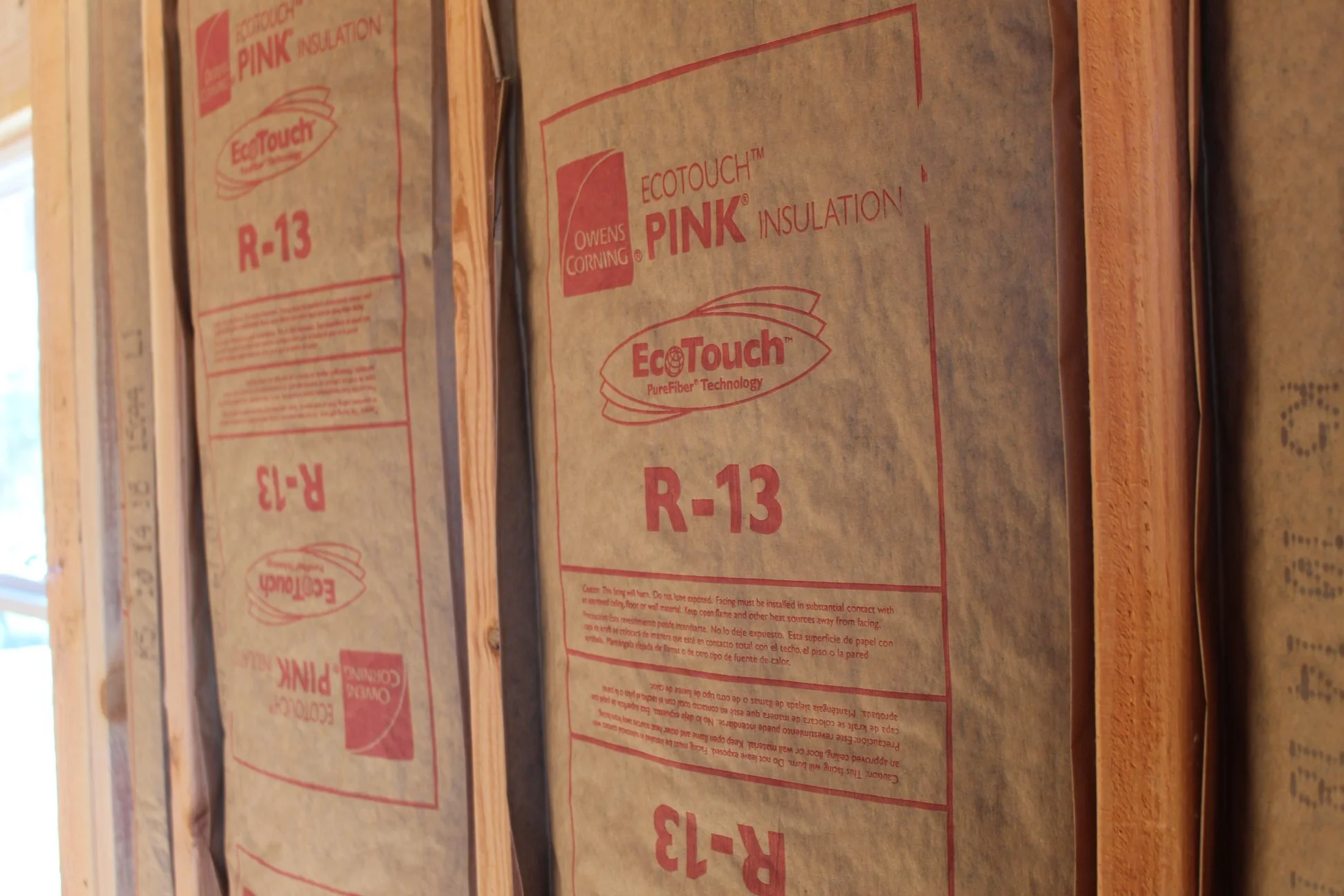
Insulating your exterior walls properly is a simple, cost-effective way to improve your home's energy efficiency. You can choose from several wall insulation types, including fiberglass batts, spray foam, and blown-in insulation.
-
![Crawlspace Insulation Installers]()
Crawlspace Insulation
By correctly managing your crawlspace, you can minimize humidity, insects, and other pests.
-
![Basement Insulation]()
Basement Insulation
Basement insulation improves energy efficiency and indoor comfort by sealing air leaks and improving thermal inefficiencies.
-
![Insulation Removal]()
Insulation Removal
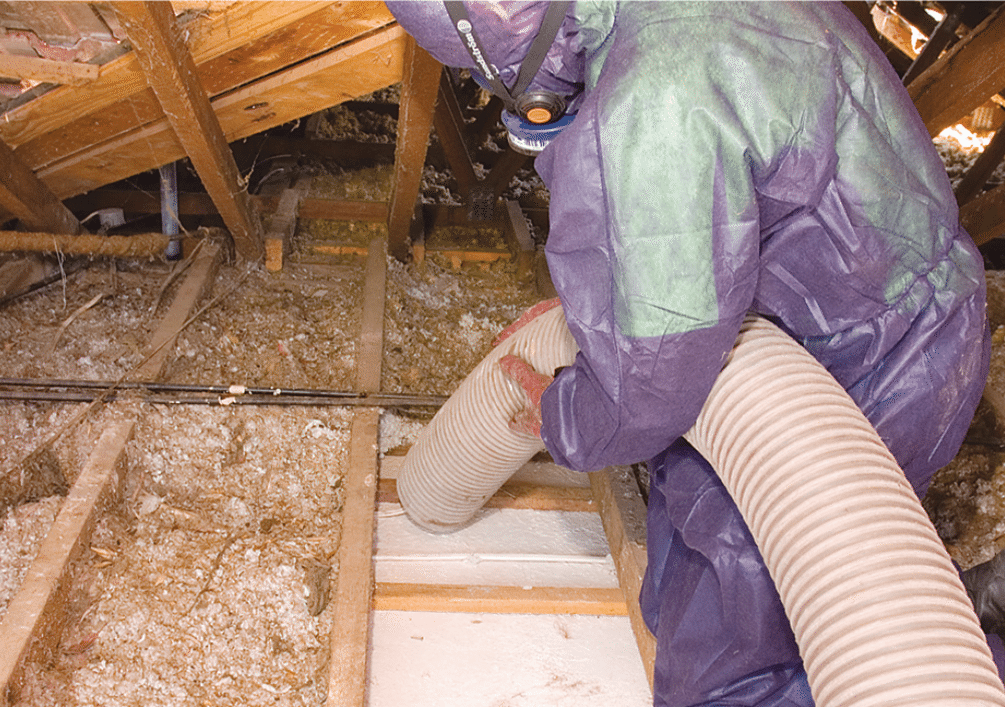
Attic insulation removal clears out old, damaged, or contaminated material to improve air quality and prepare the space for upgraded insulation.
-
![Sound Insulation]()
Sound Insulation
Sound insulation reduces noise transfer between rooms by adding dense materials like mineral wool or fiberglass into internal walls, dampening sound and vibrations. Ideal for bathrooms, bedrooms, and music rooms to improve privacy and create quieter spaces.
Conveniently located in Nashville, TN
Insulation Solutions of TN is proud to deliver reliable services and high-quality insulation products. Partner with us to ensure your project succeedsWe work closely with you to meet your requirements on time and on budget.

Map showing the Insulation Solutions of TN location.
Communities we Serve:
Ready to get a Spray Foam Insulation EstimAte?
It’s free to see what we can do for you - click the button below.