
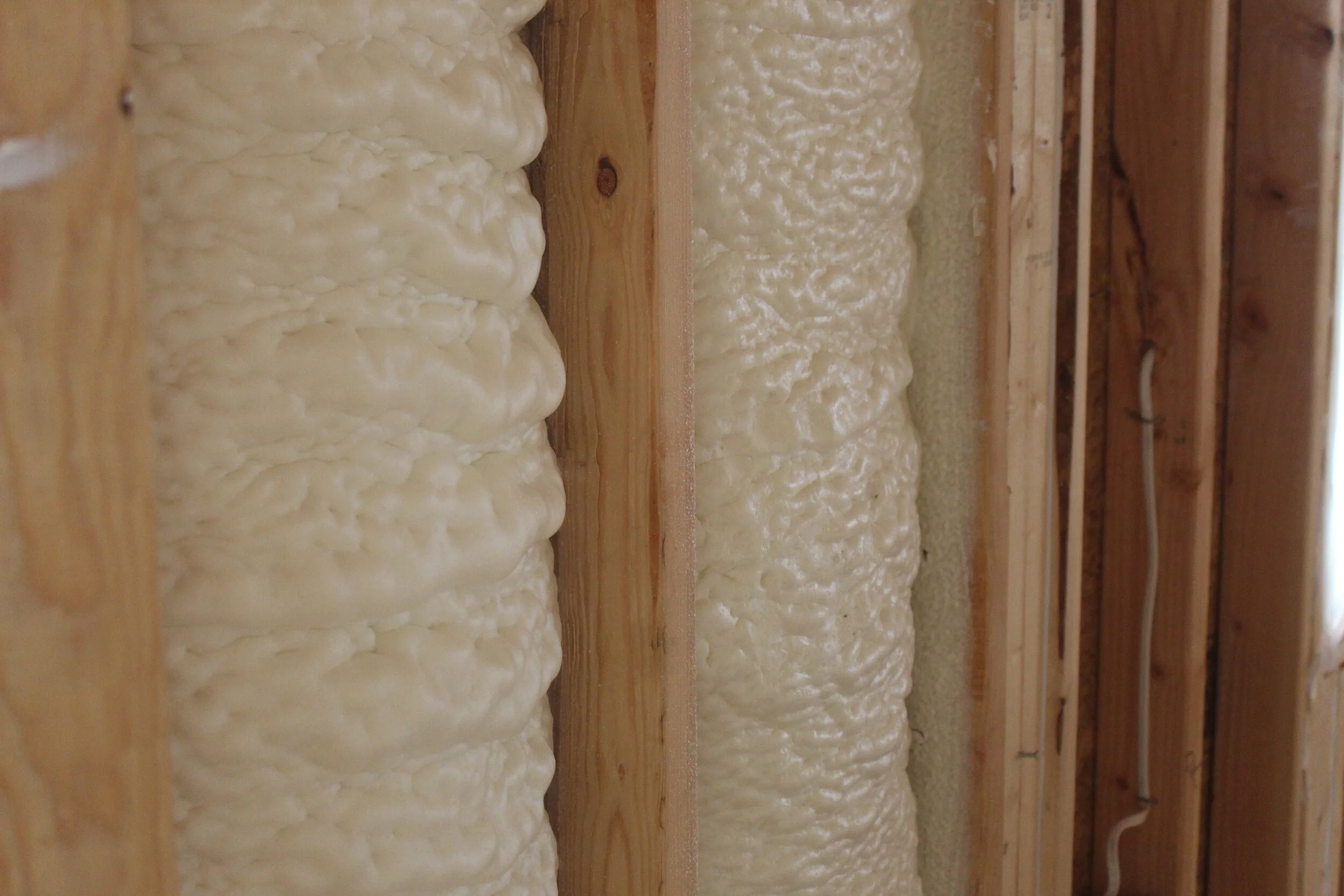
Basement Insulation
ABOUT
Basement Insulation
Basement insulation improves energy efficiency, comfort, and moisture control by reducing heat loss through foundation walls and floors and keeping indoor temperatures steadier, which lowers heating and cooling bills. Choose materials based on goals and budget: closed‑cell spray foam insulation for air sealing and moisture resistance; fiberglass insulation for framed interior walls. Do key tasks: add a thermal break, insulate rim joists, seal gaps and penetrations, and fix any moisture or drainage problems to prevent mold. A professional assessment can recommend the best materials and methods for your basement and ensure code compliance.
Exploring Basement Insulation
What Is Basement Insulation?
Basement insulation means adding insulation materials to below-ground areas—walls, rim joists, floors, and sometimes ceilings—to slow heat loss, control moisture, and make the home more comfortable and energy-efficient. Common options are spray foam, fiberglass batt insulation, or insulated wall systems, chosen based on dampness, air sealing needs, and whether the basement is or will be finished. Good insulation keeps indoor temperatures steady, prevents cold surfaces that lead to condensation and mold, lowers heating and cooling bills, and improves moisture control and soundproofing.
How It Functions
Basement insulation slows heat flow between the warm indoor space and the cold ground or outside, keeping indoor temperatures steady and lowering energy use. Materials like fiberglass, foam board, or spray foam trap air and resist heat; higher R-values mean better protection. Correct installation—sealing gaps, not compressing the material, and controlling air and moisture—prevents cold spots, condensation, and wasted energy.
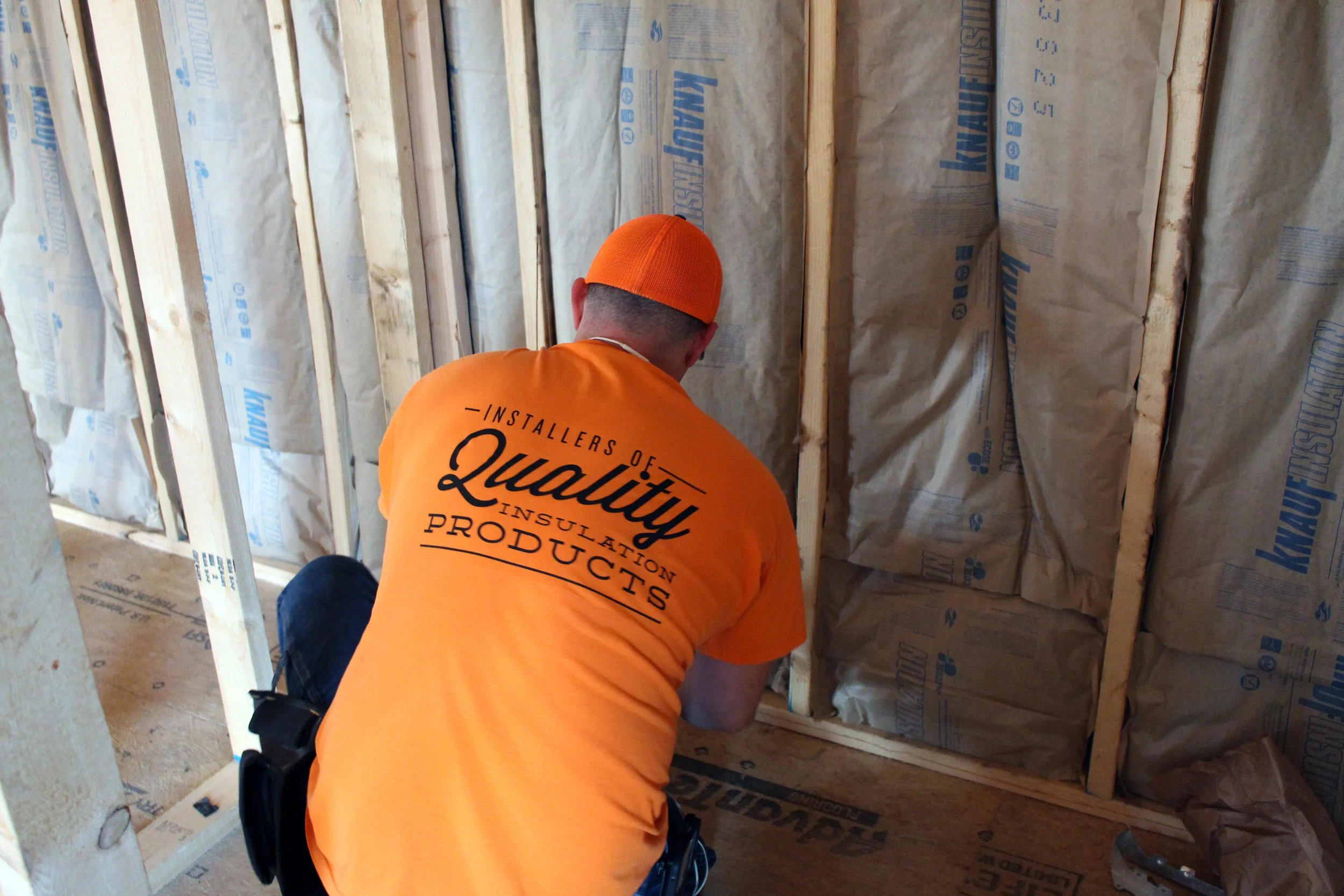
Basement Insulation Installers in Tennessee
Basement Insulation Advantages
Improved energy efficiency and lower utility bills
Proper basement insulation reduces heat loss through foundation walls and floors, helping maintain indoor temperatures with less heating and cooling. This decreases strain on HVAC systems and typically lowers monthly energy costs.
Moisture control and mold prevention
Insulating and air-sealing basement walls and rim joists helps control condensation and minimizes the movement of humid air into cold surfaces. Fewer moisture issues reduce mold and mildew risks, protecting structural materials and indoor air quality.
Enhanced comfort and usable living space
A well-insulated basement stays warmer in winter and cooler in summer, making it more comfortable for living, working, or storage. Insulation also reduces drafts and noise transmission, increasing the overall usability and value of the home.
Basement Insulation Options
Cellulose insulation is a fiber insulation material made up of recycled paper content. In comparison to other insulation materials, cellulose insulation has a much higher concentration of recycled content, containing as much as 85% of recycled newspaper. The paper is fiberized so that it can be densely packed which provides for better air sealing. During processing, the material is also coated non-hazardous chemicals such as the mineral borate to act as a flame retardant, and resistance to pests and mold.
-
![Spray Foam Basement Insulation]()
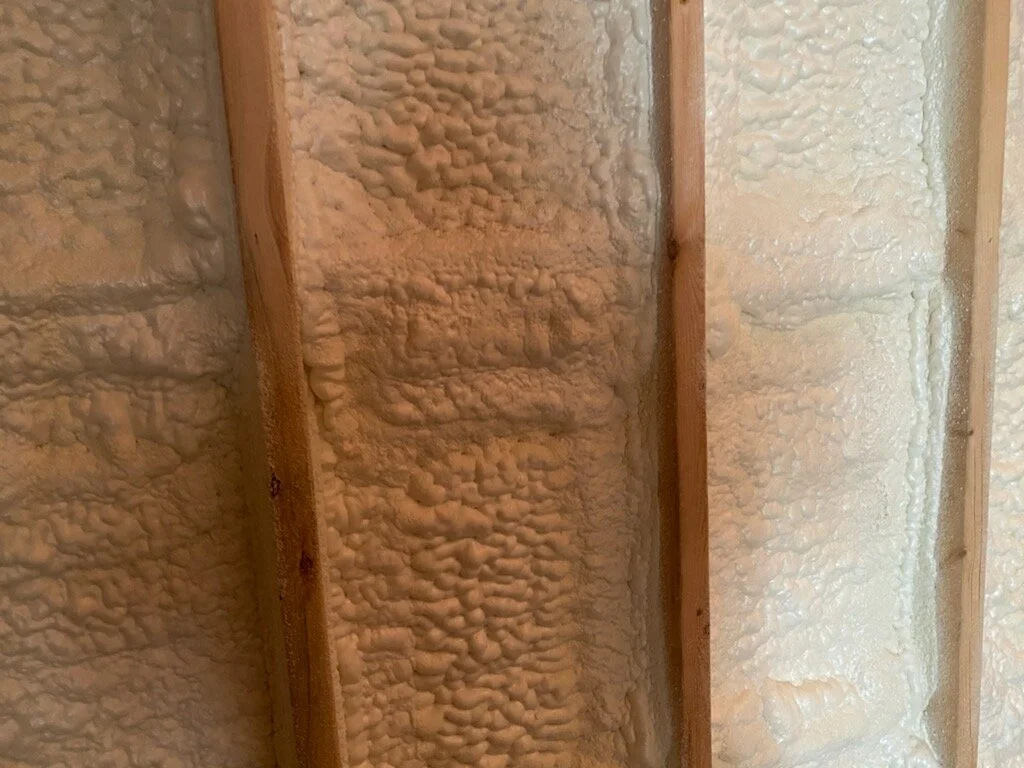
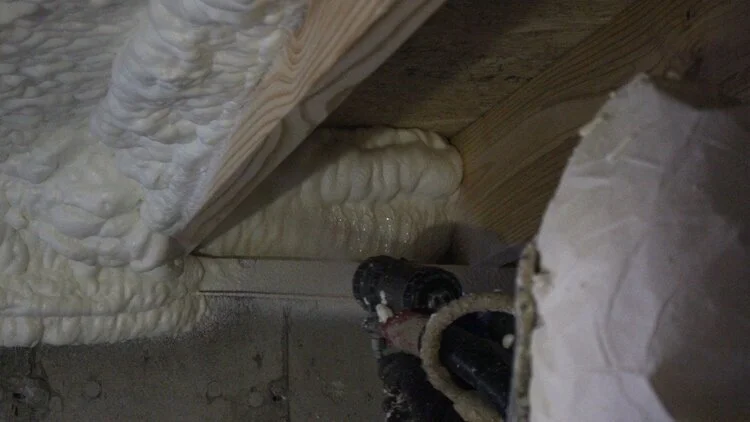
Spray Foam Basement Insulation
With superior air sealing properties, spray foam lends itself to being the most energy efficient insulation product available today. With both open and closed cell spray foam options - you can’t go wrong.
-
![Fiberglass Basement Insulation]()
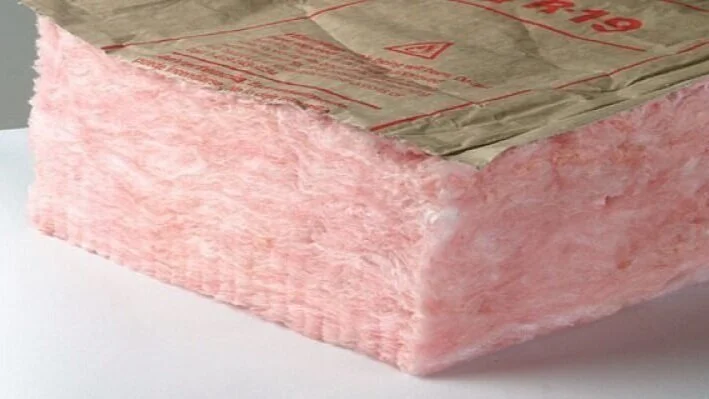
Fiberglass Basement Insulation
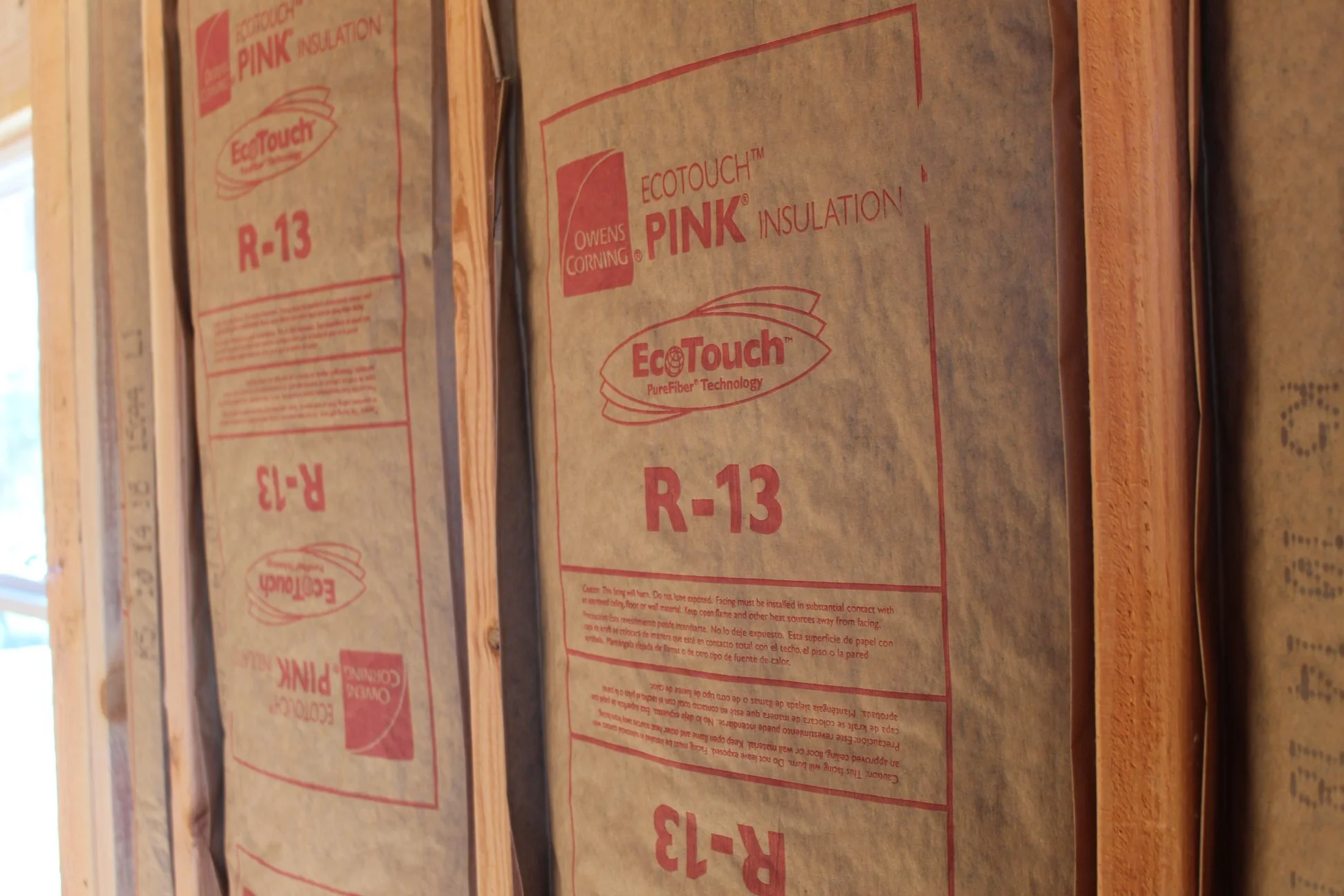
Probably the most common insulation product, fiberglass insulation comes in batts, or rolls as well as a blow-able product that can be either loose-fill or dense packed.
Additional Insulation Services
-
![Attic Insulation Installers]()
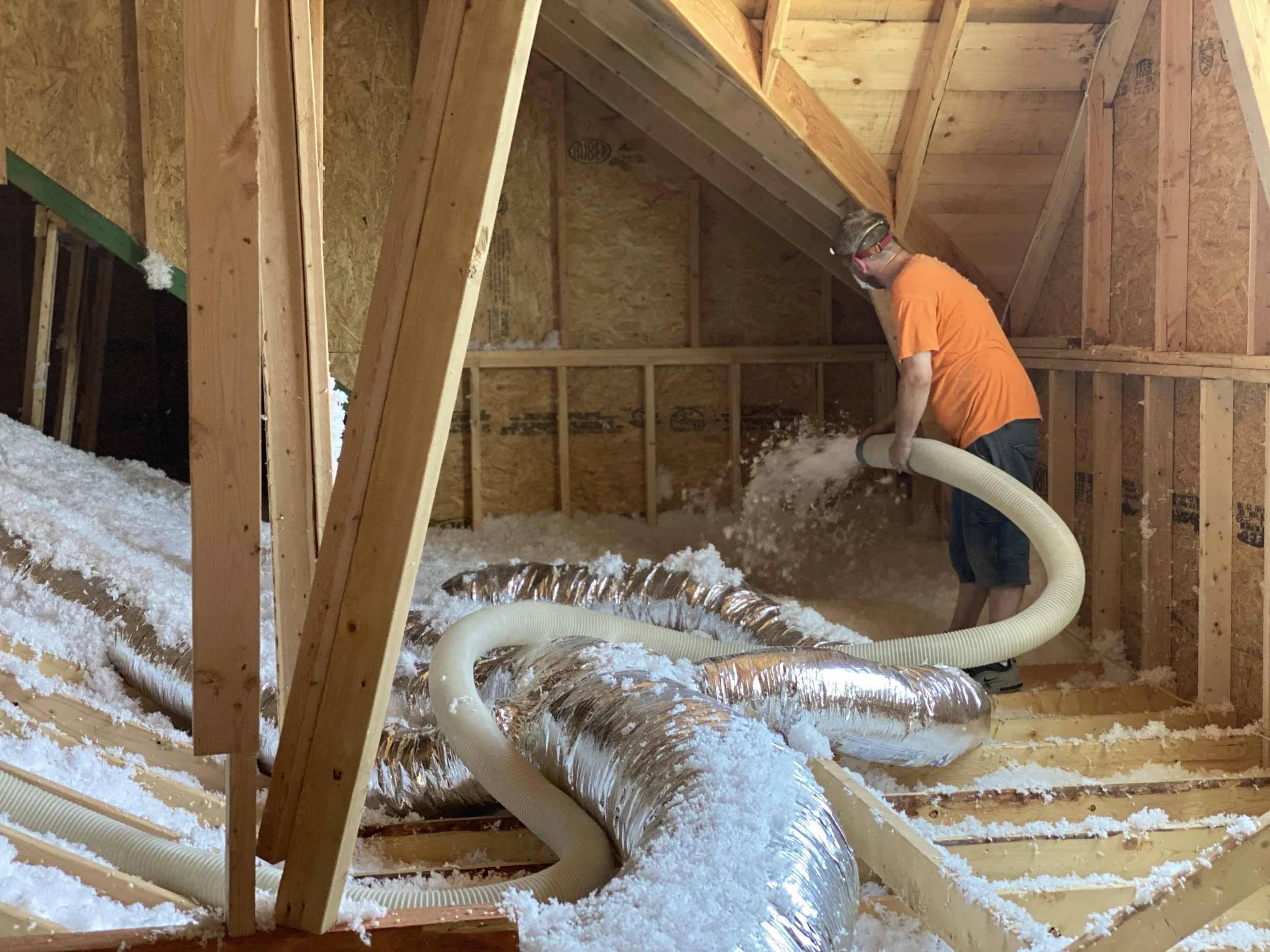
Attic Insulation
Up to 30% of a home's energy loss can be due to an inadequately insulated attic, so ensuring proper attic insulation is essential.
-
![Wall Insulation Installers]()
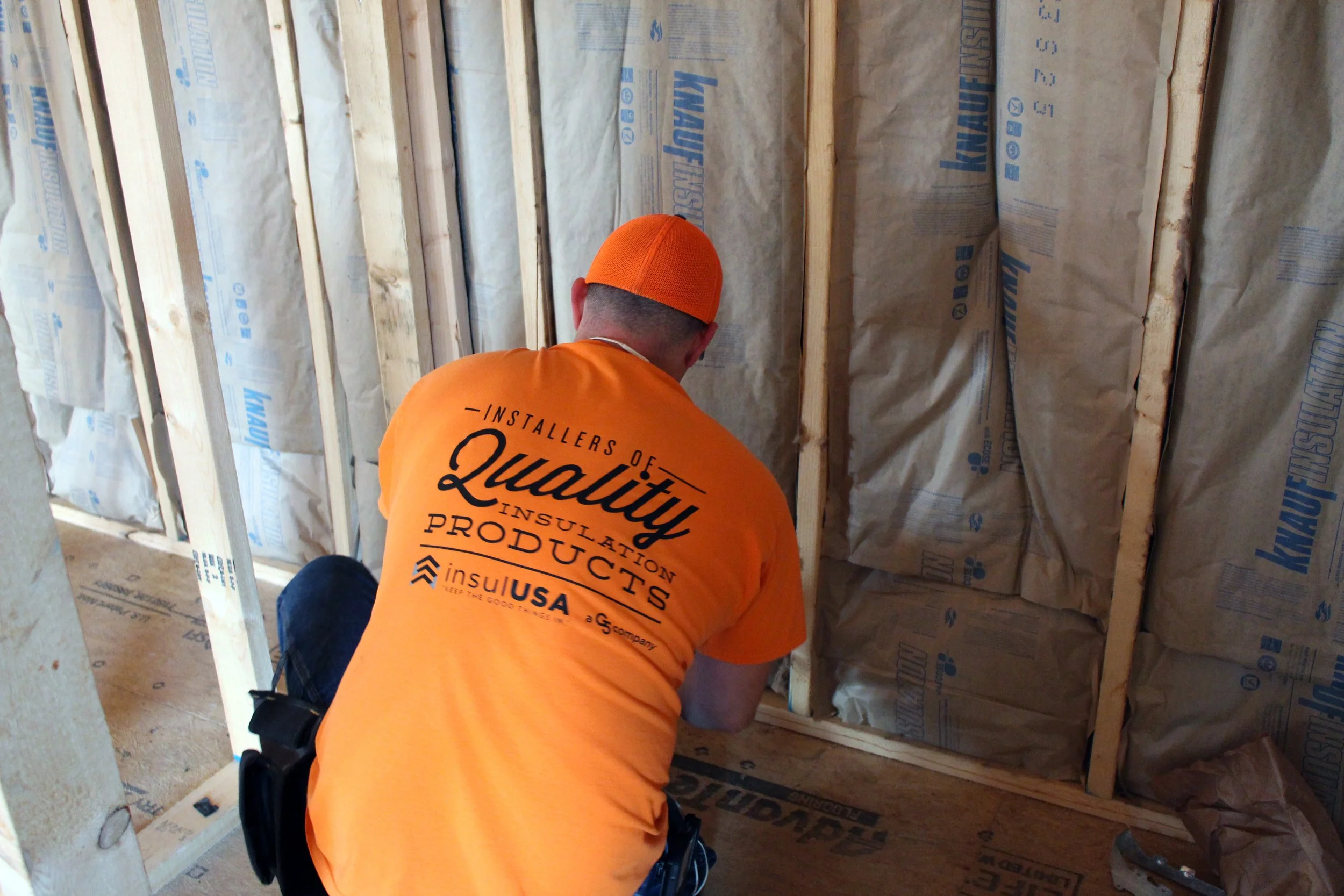
Wall Insulation
Insulating your exterior walls properly is a simple, cost-effective way to improve your home's energy efficiency. You can choose from several wall insulation types, including fiberglass batts, spray foam, and blown-in insulation.
-
![Crawlspace Insulation Installers]()
Crawlspace Insulation
By correctly managing your crawlspace, you can minimize humidity, insects, and other pests.
-
![Basement Insulation]()
Basement Insulation
Basement insulation improves energy efficiency and indoor comfort by sealing air leaks and improving thermal inefficiencies.
-
![Insulation Removal]()
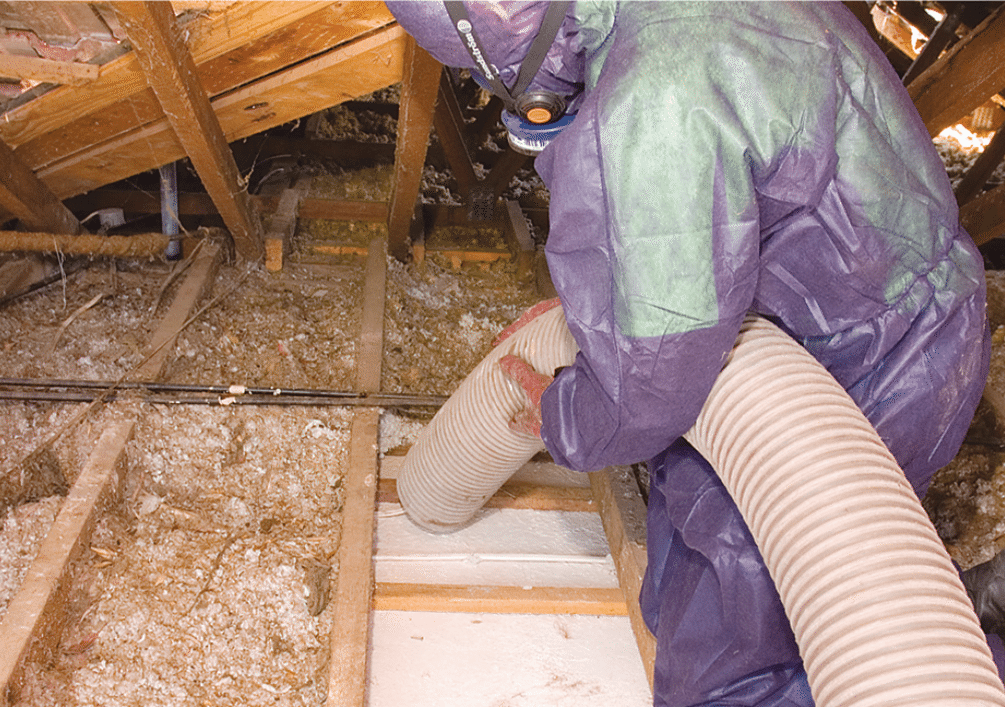
Insulation Removal
Attic insulation removal clears out old, damaged, or contaminated material to improve air quality and prepare the space for upgraded insulation.
-
![Sound Insulation]()
Sound Insulation
Sound insulation reduces noise transfer between rooms by adding dense materials like mineral wool or fiberglass into internal walls, dampening sound and vibrations. Ideal for bathrooms, bedrooms, and music rooms to improve privacy and create quieter spaces.
Basement Insulation Installation in Nashville & Surrounding Areas
Insulation Solutions of TN is proud to deliver reliable services and high-quality insulation products. Partner with us to ensure your project succeeds. We work closely with you to meet your requirements on time and on budget.

Map showing the Insulation Solutions of TN location.
Communities we Serve:
Ready to get a Basement Insulation EstimAte?
It’s free to see what we can do for you - click the button below.
Basement Insulation FAQs
What is the best insulation for a basement?
Best insulation for basements: closed-cell spray foam. It blocks moisture and vapor, reduces mold/rot, seals gaps to stop drafts and thermal bridging, and has high R-value per inch for shallow cavities. It adds rigidity, limits condensation, adheres to concrete/rim joists/irregular spaces, and often removes need for a separate vapor barrier. Downsides: higher upfront cost and requires experienced installers for proper application and fire-code compliance. Alternatives: extruded polystyrene or a hybrid of a few inches of spray foam plus mineral wool or batt. We recommend evaluating moisture and airflow first to pick the right solution.
What Insulation R-Value do I need for a Basement?
Most of our service area (Climate Zone 4A) follows Tennessee’s 2018 IECC with amendments. Conditioned basement walls require R‑13 cavity or R‑10 continuous, from the top down to 10 ft below grade or the basement floor, whichever is less. These are code minimums for new construction/major renovations. For existing homes and improved moisture control/comfort, we recommend exceeding code (R‑15+), often using spray foam for air sealing and vapor resistance. Contact us for a free, tailored estimate.
How to make a concrete basement warmer or cooler?
Insulating concrete basement walls is one of the best ways to stay warmer in winter, cooler in summer, and cut energy bills. For concrete walls we recommend closed-cell spray foam insulation as the top choice—it delivers a high R-value per inch, creates an exceptional air and moisture barrier by bonding directly to the concrete, and helps prevent common basement issues like dampness and mold. Professional application typically uses 1–2 inches for effective air sealing and moisture control, with thicker layers possible for even greater energy efficiency. If finishing the space, we often pair it with a framed stud wall in front for drywall and utility concealment.